







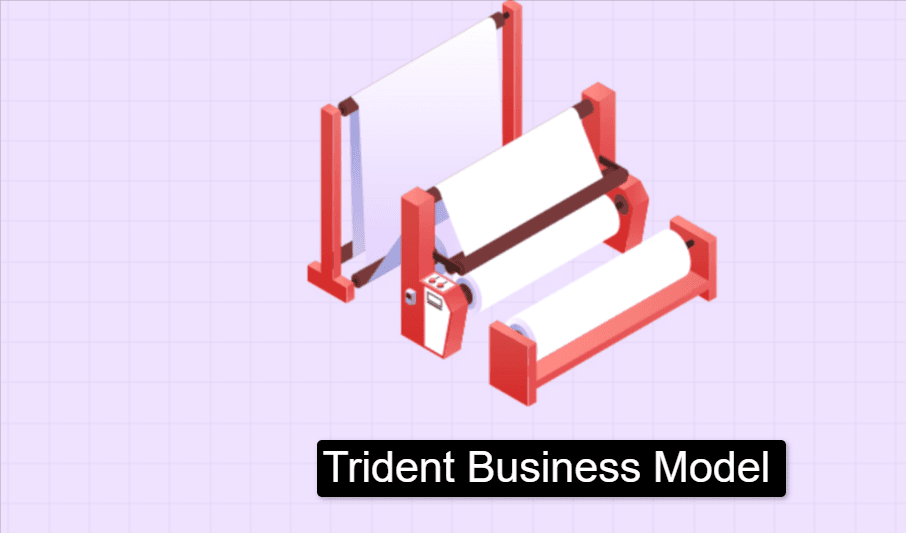
What is Trident Business Model: How to Trident Earn Profit?
Read Time:7 Minute, 12 Second
Trident Group is one of India’s biggest and most successful business conglomerates. It is most well-known for its expertise in the paper and textile industries. It was founded with Rajinder Gupta in the year 1990, Trident has expanded its business throughout the years to become a world-class producer of yarn sheets, bath and bed paper, linen chemicals and the energy sector. Trident is headquartered at Ludhiana, Punjab, and has a focus on sustainability, creativity, and satisfaction of customers.
With such a broad portfolio, Trident has been able to develop a lucrative business model which allows it to earn revenues from a variety of sources. In this article, we’ll take more in-depth look at the Trident business model, and then explain how the company makes money through the Indian and international markets.
Trident’s business model
Trident has two primary businesses: textiles and paper and also operates in the fields of chemicals, energy and consumer goods. The company’s diverse portfolio lets the company minimize the risk of failure and to maintain a steady income stream across various sectors.
Here’s an overview of Trident’s most important business units:
1. The textiles (Yarn as well as Home Textiles ): Trident is a major player in the global market for textiles and produces a broad range of bed linen, yarn bath linen, other household textiles. Trident’s textiles division makes up a significant part of its revenues and products export to different countries around the globe including Europe, the United States, Europe and Asia.
- Yarn Production Trident produces blended and cotton yarns which are used in manufacturing of garments and fabrics. The production facilities of the company are outfitted with the latest technology, which allows it to make top-quality yarn at affordable prices.
- home textiles Trident is among the biggest manufacturers of Terry towel as well as bedding linen. Trident supplies top products for home textiles to hotels, retail chains and other institutional buyers. The company’s commitment to sustainable, innovative and design has seen it gain a substantial part of the market for home textiles.
2. Paper & Pulp Division Trident has also been a significant player in the paper industry, supplying a wide range of eco-friendly papers made of wheat straw. The paper division of the company specializes in creating top-quality printing and writing paper which is utilized in offices, educational institutions as well as commercial printing.
- Sustainability The focus: Trident’s paper products are made from crop residues such as wheat straw, which reduces the use of wood-based pulp. This sustainability focus is not just helping to make the business stand out on the marketplace but it also reflects the global trend towards green products.
3. Chemistry and energy: Trident produces chemicals that are utilized in the paper and textile industries, including caustic soda and sulphuric acids. These chemicals are vital to the production processes used in these industries. By making them on-site, Trident is able to lower costs and assure a steady supply.
Alongside chemicals, Trident has ventured into the energy sector, producing electricity through its own captive power plants. The energy department helps the company to manage its energy requirements effectively and reduces its dependence on power sources from outside and lowering operating costs.
4. Consumer Product: Trident has also entered the market for consumer goods by launching the Trident brand of brand-name papers and home textiles. The products are sold directly to customers with Trident’s Trident label that offers premium quality sheets, towels and notebooks. The company’s move into branded consumer products can help expand its income streams and increase brand recognition across India as well as abroad.
What is the way that Trident Make Money?
Trident earns profits and revenue through a variety of channels due to its multi-faceted business model. This is a look at how the company earns its profits:
1. Exports of textiles The biggest income generator is its exports to the textile industry, especially the home textiles, such as towels and bedding linen. Trident sells its products to international retailers, including Walmart, Target, Macy’s and Amazon as well as other. Through its focus on exports, Trident enjoys access to markets across the world that have an increased demand for high-quality textiles. In addition, its size of operations permits it to produce items at lower costs which helps it to achieve better profits.
2. The sales of yarn: Trident is a significant participant in the market for yarn as well as in India as well as globally. Trident produces a broad variety of blended and cotton yarns, and sells them to garment and textile producers. The production of yarn is a business that relies on volume and Trident’s capability to create high-quality yarn on a large scale allows it to maintain an uninterrupted flow of income.
3. Selling Paper Products The paper division of Trident generates income through the sale printing and writing papers to offices, educational institutions and commercial printers. Trident’s commitment to producing green paper using wheat straw provides it with an advantage in the marketplace in a time when consumers and businesses increasingly look for alternatives that are sustainable to conventional paper products. The vertical integration of Trident’s paper manufacturing process, from pulp production to final products aids in maintaining its profitability by reducing the cost of inputs.
4. Chemical Sales The chemical division of Trident helps support its paper and textile processes by manufacturing essential chemicals like caustic acid and sulfuric acid. Alongside employing these chemicals internally Trident offers them for sale to different companies which adds another source of revenue to its operations. Through the production of their own chemical products, Trident reduces its reliance on external suppliers and also manages the cost of its key ingredients.
5. Cost Control and operational efficiency: Trident has a strong emphasis on cost control as well as operational efficiency. The company invests in cutting-edge manufacturing techniques and automation, which allows it to increase its production while reducing waste and the amount of energy consumed. Trident’s power plants that are captive aid in managing its energy requirements efficiently, cutting operational expenses and boosting profits.
6. Branding and Consumer Products The move of Trident into brand-name consumer products will allow the company to gain greater value through direct sales to customers. With premium sheets, towels and other household fabrics that are sold under the Trident brand it can charge more expensive prices than its B2B sales. This emphasis on branding can help Trident create trust with consumers and loyalty, thereby opening new revenue streams in both the domestic and international market.
Potentialities and Challenges for Trident
Although Trident has created a solid business, it is facing a number of issues or opportunities, which may affect its profits:
1. Competitive Global Market: Trident is a company that operates within a very competitive market worldwide particularly in the field of textiles, in which it is competing with companies from countries such as China, Bangladesh, and Vietnam. To stay competitive, Trident must continue focusing on innovative thinking, quality in addition to the environment.
2. Price of raw materials fluctuating The price of the raw material used, like wheat straw and cotton, are subject to fluctuations due to fluctuations in demand and supply. These price fluctuations can affect the profitability of Trident, since higher cost of inputs can lower margins. However, Trident’s horizontal integration and sourcing strategies that are efficient can help reduce the risk.
3. Sustainable Initiatives at Trident: The company’s emphasis on sustainability offers substantial opportunities for growth. As consumers and businesses around the world increasingly seek out eco-friendly products and services, Trident’s wheat straw-based papers and products made from sustainable textiles will allow the company to benefit from this trend.
4. Growing Consumer Product Lines by expanding its range of consumer products Trident will be able to tap into the rising demand for high-end household textiles and paper products on both international and domestic markets. Direct-to-consumer sales provide higher margins and help build brand loyalty, which contributes to long-term profit.
Conclusion
Trident’s business model rests on diverse operations in the fields of paper, textiles chemicals, energy, and paper. It earns a profit from its presence in the world of exports of yarn, textiles and eco-friendly paper products and consumer products that are branded. Through its focus on the environment, efficiency of operations and advancing technology, Trident has positioned itself as a leading company in a variety of sectors and markets, both in India and around the world. As Trident continues to grow and discover new opportunities, it will be able to sustain its profit margins and grow in the years ahead.


Happy
0 %

Sad
0 %

Excited
0 %

Sleepy
0 %

Angry
0 %

Surprise
0 %
 0
0
 0
0 




Average Rating